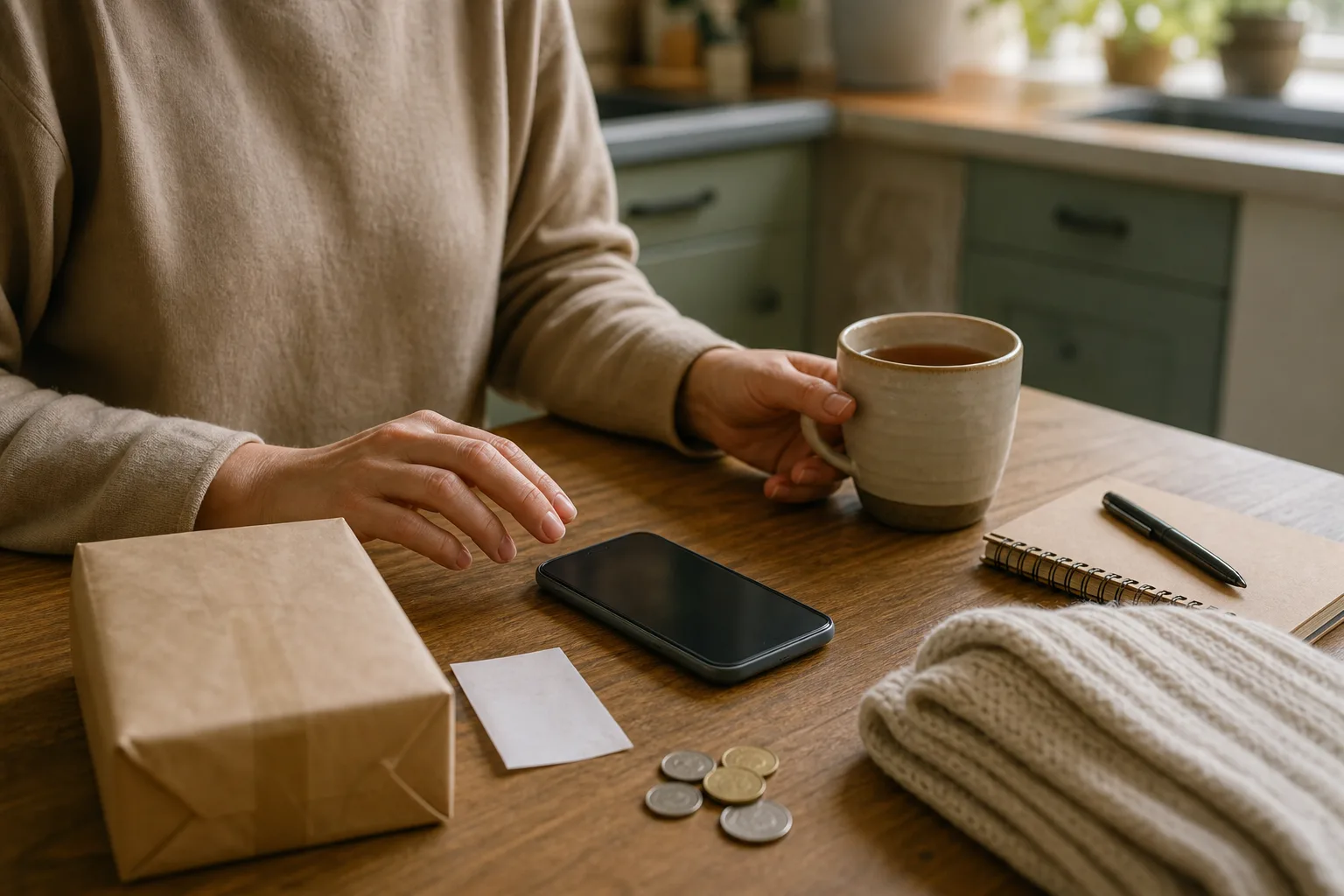
A hard day can make an unplanned purchase feel like the fastest route to relief. But the delivery confirmation, credit card notification, or pile of unused items can leave you with even more financial anxiety than you had before.
If this sounds familiar, you are not irresponsible or “bad with money.” Stress spending is often an emotional habit: your brain learns that buying something provides a brief lift, distraction, or sense of control when the rest of the day has felt difficult.
The good news is that habits can change. A plan can help make comfort available before you reach the checkout screen.
Why Stress Can Lead to Spending
After a demanding day, you may have less energy for decisions and self-control. At the same time, shopping is designed to be easy. Saved payment details, fast shipping, promotional emails, and social media ads can put a possible reward within seconds of your thumb.
A purchase can also meet a real emotional need, at least temporarily. You might be looking for:
- A reward after working hard
- Relief from worry, frustration, boredom, or loneliness
- A sense of control after a chaotic day
- Something pleasant to anticipate
- A way to avoid sitting with an uncomfortable feeling
None of these needs are silly. The problem is that buying rarely solves the underlying stressor. The relief may fade quickly while the expense remains. That can create a cycle: stress leads to spending, spending brings regret, and regret creates more stress.
Understanding that cycle shifts the question from “Why can’t I be more disciplined?” to “What happens right before I spend, and what could help at that moment instead?”
Learn Your Personal Stress-Spending Pattern
Stress spending can be predictable, even when it feels spontaneous. For a week or two, notice purchases that were not in your plan. You do not need to judge or punish yourself; you are gathering useful information.
After an unplanned purchase, write down a few quick details:
- What did I buy, and where did I buy it?
- What was happening in the hour before I bought it?
- What emotion was strongest: tired, angry, anxious, sad, bored, overwhelmed, or something else?
- What time was it?
- What did I hope the purchase would do for me?
- How did I feel an hour later or the next day?
Patterns may emerge. Perhaps you browse online stores after difficult meetings. Maybe takeout orders follow hectic evenings, or beauty and clothing purchases happen after scrolling social media. A trigger can be a feeling, a time of day, an app, an email, a place, or even a particular person.
Naming the pattern gives you a chance to change the sequence. You do not have to eliminate stress from your life before changing how you respond to it.
Build a Pause Between the Feeling and the Purchase
The most practical way to stop stress spending is not to demand perfect willpower. It is to add time and friction between the urge and the transaction.
Try a simple personal rule: When you want something that was not planned, wait before buying it. The wait might be until tomorrow for a smaller purchase or longer for a larger one. Choose a timeframe that feels realistic enough to follow.
During that pause:
- Put the item on a wish list, in your cart, or in a note instead of checking out.
- Name the feeling driving the urge: “I’m overwhelmed,” “I want a reward,” or “I’m worried about tomorrow.”
- Ask whether you would still choose the item after food, rest, a conversation, or a calmer moment.
A pause does not mean you can never buy enjoyable things. It gives your future, less-stressed self a vote. If you still want and can afford the item after the waiting period, buying it can be a deliberate choice rather than a reaction.
Make Impulse Buying Less Automatic
When you are stressed, convenient options tend to win. Adjust your environment so an unplanned purchase requires a few extra steps.
- Remove saved card details from shopping and delivery apps.
- Unsubscribe from promotional emails and text alerts that tempt you to browse.
- Delete shopping apps from your phone, or move them off your home screen.
- Log out of retail sites after each use.
- Avoid browsing stores or marketplaces when you already know you are emotionally drained.
- Keep a list of items you genuinely need so a stressful moment does not turn into open-ended browsing.
These steps are not about making life joyless. They are guardrails for moments when you are vulnerable to a quick decision. A few seconds of inconvenience can be enough to bring your original intention back into view.
Prepare Comfort That Does Not Derail Your Budget
Stress spending often works because it delivers a small treat, a break, or a feeling of care. Rather than trying to remove every comfort, create a menu of lower-cost or no-cost ways to meet the same need.
Your list should be easy, specific, and available on a hard day. For example:
- Take a shower, change into comfortable clothes, and make a favorite drink.
- Walk outside while listening to music, a podcast, or nothing at all.
- Call or message someone who helps you feel grounded.
- Watch a familiar show, read for twenty minutes, or play a game you already own.
- Order from a planned grocery list and make the easiest meal you have ingredients for.
- Write down everything bothering you, then choose one small next step for tomorrow.
- Set a timer for ten minutes and rest without trying to solve anything.
The best replacement is personal. If shopping gives you novelty, try a new recipe with ingredients you have or visit the library. If it gives you a reward, plan a modest reward that fits your budget. If it helps you avoid a feeling, try a short check-in first: “What do I need right now besides a purchase?”
Give Fun Spending a Place in Your Plan
A restrictive budget can backfire if it treats every enjoyable purchase as a failure. When possible, set aside a realistic amount for flexible or “fun” spending. This category can cover small pleasures without forcing you to debate every coffee, book, meal out, or hobby purchase from scratch.
The goal is not to spend the entire amount simply because it exists. It is to make room for enjoyment while protecting money needed for essentials, goals, and upcoming bills.
Check this category before buying something after a difficult day. If there is room, you can decide whether the purchase is worth it. If there is not, choose something from your comfort menu or add the purchase to your wish list for later. A budgeting app such as Brightly Budget can make it easier to see what is available before you spend.
Create an After-Work Reset Routine
For many people, the riskiest time is the transition from a stressful workday to the evening. If that is true for you, create a short routine for the first part of your evening. The purpose is to release some pressure before you encounter your usual spending triggers.
Your reset might include putting your phone in another room, having a snack, changing clothes, taking a short walk, or writing a brief brain dump. Keep it simple enough to do on a tiring day.
Try linking the routine to a cue you already have, such as closing your laptop, arriving home, or finishing dinner. Over time, that cue can begin to signal comfort and decompression rather than shopping.
Respond to Slips Without Shame
You may still stress-spend sometimes. That does not erase your progress or prove that your plan failed. Shame can fuel the same uncomfortable feelings that lead to another impulse purchase.
When a slip happens, take a calm, practical approach:
- Review the purchase and your return or cancellation options, if appropriate.
- Record the cost honestly in your budget.
- Identify the trigger without criticizing yourself.
- Choose one adjustment for next time, such as a longer waiting period or a different after-work routine.
Avoid trying to “make up for it” with extreme spending restrictions. A steadier adjustment is more likely to last. If stress, anxiety, or compulsive shopping feels overwhelming or is causing serious harm, consider talking with a qualified mental health professional or financial counselor for additional support.
This article is general information, not personalized financial advice.
Start With One Small Interruption
You do not need a flawless no-spend streak to change this habit. Start by choosing one trigger, one pause rule, and one comforting alternative. For example: “After a rough workday, I will wait until tomorrow before ordering nonessential items online and take a ten-minute walk first.”
That small interruption matters. Each time you notice the urge, pause, and choose intentionally, you are practicing a new response to stress—one that supports both your emotional well-being and your budget.